Fuel cels explained | Eaton PSEC
13:31
At Eaton’s Power Systems Experience Centers (PSEC), distributed energy resources are actively demonstrated. In this video, we introduce one of the newest additions to the PSEC energy ecosystem: a 50 kW Bloom Energy fuel cell that delivers continuous, clean power around the clock. The PSEC already showcases solar, wind, battery storage, vehicle to grid systems, and a microgrid. While many of these technologies provide intermittent or backup power, the fuel cell offers something unique: reliable baseload generation that operates day and night, regardless of weather conditions. By producing a steady 50 kW of power, the fuel cell reduces demand on the utility while improving energy resilience and sustainability. Dan Carnovale, Director of the Power Systems Experience Center, explains what a fuel cell is and how it works, focusing on solid oxide fuel cell technology. Instead of burning fuel through combustion, the system uses a chemical reaction to convert natural gas into electricity. This process separates hydrogen from the fuel and reacts it with oxygen to produce DC electricity, with water vapor and carbon dioxide as byproducts. Learn how the generated DC power is regulated, stabilized with supercapacitors, and converted to AC power for use on the electrical distribution system. The video also explains how the fuel cell can operate grid tied, in parallel with the utility, or transition into grid forming (islanded) mode to support downstream loads during outages. Supercapacitors provide fast response to load changes and help ensure smooth transitions between operating modes. The video breaks down the major components of the fuel cell system andcompares fuel cell architecture to solar PV systems, showing how small building blocks scale into multi megawatt installations. Operational considerations are also covered, including startup time, commissioning, sizing, fuel source selection, natural gas pressure requirements, water supply, controls, monitoring, and permitting. The video highlights real world lessons learned during installation at the PSEC, emphasizing the importance of planning and coordination with utilities. Finally, the video explores where fuel cells make sense, from primary power and microgrids to off grid and resilient power applications. We also explain how fuel cells can offer advantages over traditional generators, renewables, and batteries by providing continuous power, high efficiency, and low maintenance. They are increasingly attractive for hospitals, universities, data centers, commercial buildings, and large load facilities where resilience, scalability, and energy cost management are critical. This video provides a practical, real world look at how fuel cells can serve as a powerful building block in modern energy systems and help shape the future of distributed generation. Thank you for watching one of our many educational videos on the topic of power systems. Schedule a visit to one of Eaton's Power Systems Experience Centers in either Pittsburgh or Houston to learn more! To learn more about Eaton products and our Power Systems Experience Centers: https://eaton.com/experience’ To view more educational videos from Eaton's Power Systems Experience Centers: https://videos.eaton.com/experience Chapters 0:00 00:13 Distributed energy at PSEC 01:28 What Is a fuel cell? 02:37 Fuel cell: grid-tied vs islanded 03:38 How a fuel cell works, components 04:23 Fuel cells compared to solar PV 05:39 Fuel cell startup & commissioning 06:10 Fuel cell design & planning considerations 08:48 Fuel cell control, monitoring, operation 10:04 Fuel cell applications 11:21 Fuel cells vs generators, solar, and batteries 12:25 Who should consider fuel cells? #EnergyInfrastructure #FuelCell #ElectricalLoads #Electrification #EnergyUse #PowerGrid #Electricity #DataCenters #Engineering #electricaltrainingvideos #GridModernization #DataCenters #Switchgear #Electrification #electricalengineering #powerquality #powerqualityissues #powersystem #engineering #eatonexperience #experiencecenter #powerdistribution #powersystemdesign
At Eaton’s Power Systems Experience Centers (PSEC), distributed energy resources are actively demonstrated. In this video, we introduce one of the newest additions to the PSEC energy ecosystem: a 50 kW Bloom Energy fuel cell that delivers continuous, clean power around the clock. The PSEC already showcases solar, wind, battery storage, vehicle to grid systems, and a microgrid. While many of these technologies provide intermittent or backup power, the fuel cell offers something unique: reliable baseload generation that operates day and night, regardless of weather conditions. By producing a steady 50 kW of power, the fuel cell reduces demand on the utility while improving energy resilience and sustainability. Dan Carnovale, Director of the Power Systems Experience Center, explains what a fuel cell is and how it works, focusing on solid oxide fuel cell technology. Instead of burning fuel through combustion, the system uses a chemical reaction to convert natural gas into electricity. This process separates hydrogen from the fuel and reacts it with oxygen to produce DC electricity, with water vapor and carbon dioxide as byproducts. Learn how the generated DC power is regulated, stabilized with supercapacitors, and converted to AC power for use on the electrical distribution system. The video also explains how the fuel cell can operate grid tied, in parallel with the utility, or transition into grid forming (islanded) mode to support downstream loads during outages. Supercapacitors provide fast response to load changes and help ensure smooth transitions between operating modes. The video breaks down the major components of the fuel cell system andcompares fuel cell architecture to solar PV systems, showing how small building blocks scale into multi megawatt installations. Operational considerations are also covered, including startup time, commissioning, sizing, fuel source selection, natural gas pressure requirements, water supply, controls, monitoring, and permitting. The video highlights real world lessons learned during installation at the PSEC, emphasizing the importance of planning and coordination with utilities. Finally, the video explores where fuel cells make sense, from primary power and microgrids to off grid and resilient power applications. We also explain how fuel cells can offer advantages over traditional generators, renewables, and batteries by providing continuous power, high efficiency, and low maintenance. They are increasingly attractive for hospitals, universities, data centers, commercial buildings, and large load facilities where resilience, scalability, and energy cost management are critical. This video provides a practical, real world look at how fuel cells can serve as a powerful building block in modern energy systems and help shape the future of distributed generation. Thank you for watching one of our many educational videos on the topic of power systems. Schedule a visit to one of Eaton's Power Systems Experience Centers in either Pittsburgh or Houston to learn more! To learn more about Eaton products and our Power Systems Experience Centers: https://eaton.com/experience’ To view more educational videos from Eaton's Power Systems Experience Centers: https://videos.eaton.com/experience Chapters 0:00 00:13 Distributed energy at PSEC 01:28 What Is a fuel cell? 02:37 Fuel cell: grid-tied vs islanded 03:38 How a fuel cell works, components 04:23 Fuel cells compared to solar PV 05:39 Fuel cell startup & commissioning 06:10 Fuel cell design & planning considerations 08:48 Fuel cell control, monitoring, operation 10:04 Fuel cell applications 11:21 Fuel cells vs generators, solar, and batteries 12:25 Who should consider fuel cells? #EnergyInfrastructure #FuelCell #ElectricalLoads #Electrification #EnergyUse #PowerGrid #Electricity #DataCenters #Engineering #electricaltrainingvideos #GridModernization #DataCenters #Switchgear #Electrification #electricalengineering #powerquality #powerqualityissues #powersystem #engineering #eatonexperience #experiencecenter #powerdistribution #powersystemdesign
Cooper Power series Similar Videos
-
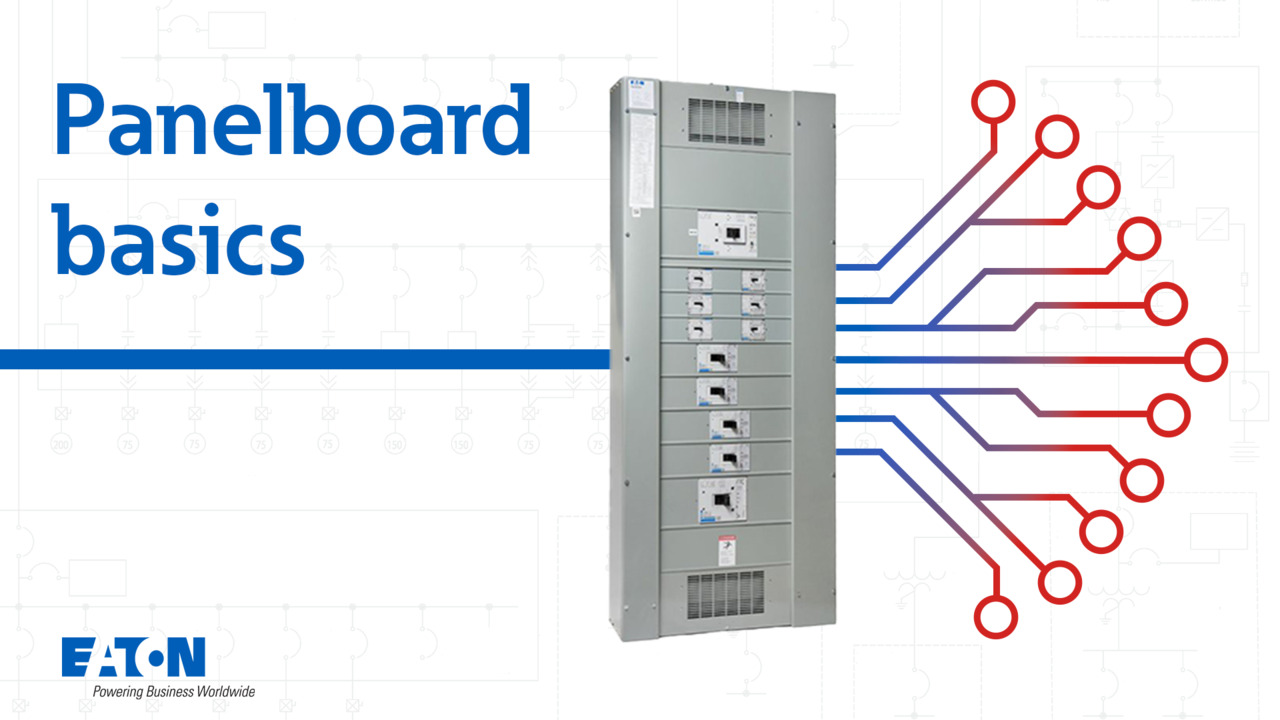
Panelboard basics | Eaton PSEC
14:34
Panelboards are used to safely distribute power by dividing a main power feed into branch circuits with a breaker or fuse, all within a common enclosure. Learn about panelboard components, design, types, standards, and applications.
-
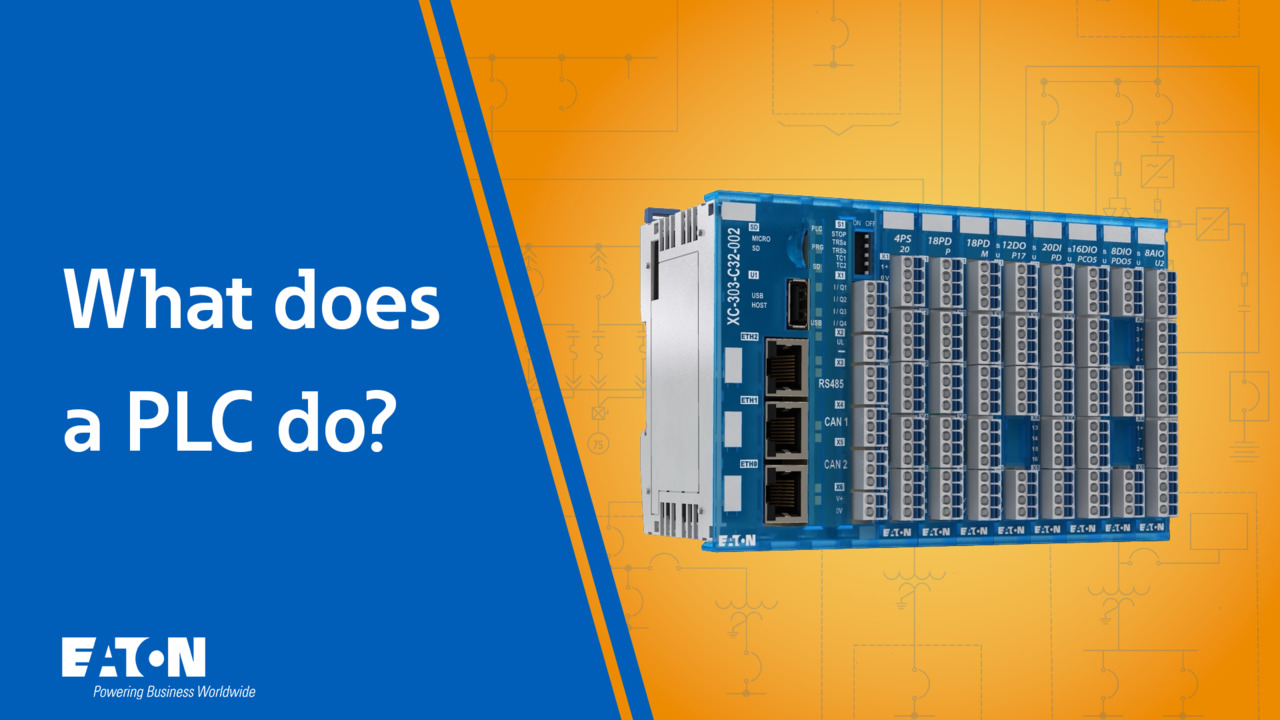
What does a PLC do and how does it work? | Eaton PSEC
8:59
PLCs simplify complex industrial systems by bridging software and physical control. Learn about PLC hardware components, control logic, their programming languages, and workflow to understand how they’ve become essential in any application.
-
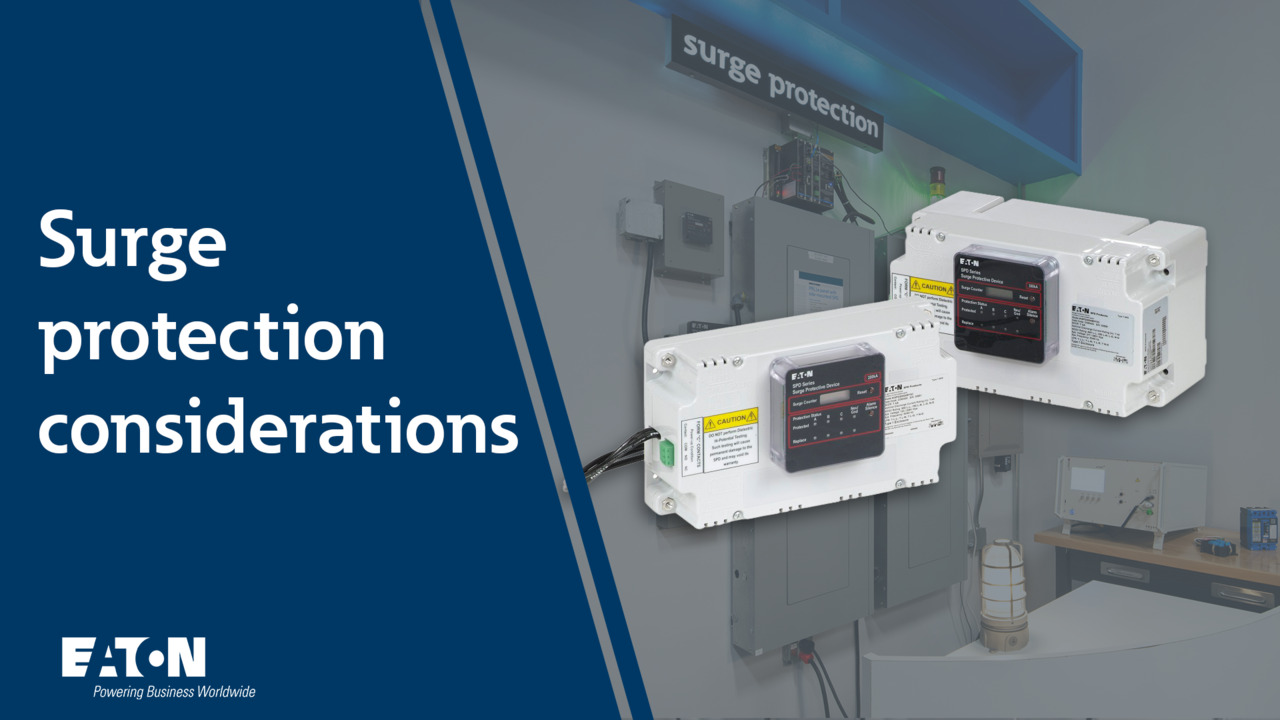
Surge protection considerations | Eaton PSEC
7:41
Surge protection devices (SPDs) safeguard equipment from damaging voltage transients also known as surges. Discover SPD types, proper installation, NEC requirements, and tips for effective protection in residential and industrial applications.